Swimming Pool Choice: Fibreglass Vs. Concrete Pros and Cons

Evoke Pools • January 16, 2019

FIBREGLASS POOL VS. CONCRETE POOLS – PROS AND CONS
A Boy Is Laying On A Watermelon Float In A Pool — Evoke Pools In Lennox Head, NSW

Swimming pools involve quite a lot of choice.

When you are in the process of turning your outdoor space into one designed for your lifestyle, a big choice is whether to go concrete or fibreglass. Dean & I have been installing swimming pools and providing turnkey landscape solutions for over 20 years – that’s over 1000 pools for 1000 families.


Here’s five things to think about when choosing between concrete and fibreglass swimming pools


To help your decision making process, here’s the top five frequently asked questions that Dean & I have been asked during our time as swimming pool installers.


Pool construction time

Pool temperature

Pool shape

Pool hygiene and bacteria

Pool cost


1. How long does it take to construct a concrete pool vs. a fibreglass pool?


Swimming pool decision making has a few stages to go through. After the contract is signed, and council approval has happened, the real fun begins. The installation phases involve preparing the site (digging the hole), installation of the pool shell, and landscaping the area. Some big things to think about include the impact of this time on your family. While time to dig a hole may be similar, it’s the next part of the process that takes time.


Swimming Pool Installation – Concrete pools take 3 months


Concrete have a drainage layer, floor cleaning pipes, steel frames and formworks, testing of plumbing and then spraying of concrete. This initial stage can take 4 weeks. After this initial structure, the concrete pool needs to cure for 4 weeks. Landscaping can commence during this stage, however there is still another 4 weeks to go including waterline tiling, commissioning and testing.


Swimming Pool Installation – Fibreglass Pool Installation take as little as 3 days


Fibreglass pools don’t need to cure. After the fibreglass pool shell is in the ground, there are a few days of settling.


Swimming Pool Construction and Impact on your Household


When it comes to pool construction time, family traffic between indoor and outdoor areas may play a role. Consider pets, children, and other family dynamics. A longer pool construction time can increase the impact on use between these areas, and if you are a busy household, it could mean more cleaning, or more time with highly energised members of your household having to stay in doors.


2. What’s the difference for Pool Temperature: Concrete vs Fibreglass Pools?


Concrete pools tend to be colder than fibreglass pools due to the porous nature of concrete. If your pool is going to be situated in a shaded area in your back yard that doesn’t get a lot of sun, and you are looking to swim in your pool all year round, the water temp will be much lower in concrete vs. the fibreglass option. As they are colder, if you are looking to heat your pool heating costs can end up being much higher.


3. Pool Shape: Concrete vs. Fibreglass


If you wanted a pool in the shape of a love heart, concrete will have you covered. Concrete does give you more flexibility on the shape front. The more complex the shape, the more complex the engineering calculations. Adding in safety ledges to concrete pools may prove a little trickier in the construction phase vs. fibreglass pools which have them already in the mould. If simplicity is more your style of pool, fibreglass pools have options including entertainer seats, safety steps for small children, or a longer, lap pool design if fitness is part of your life style. To see the range of fibreglass pools by size, click here


4. Concrete vs. Fibreglass Pools – Managing Pool Hygiene and Bacteria


Pool hygiene and bacteria management are all part of the maintenance costs for swimming pools. With concrete being porous, it can be a little trickier to maintain the chemical balance of a concrete pool. More chemicals are needed to get the chemical balance right Fibreglass swimming pools come with a gelcoat. The gelcoat in a fibreglass swimming pool limits bacteria growth. As fibreglass pools are non porous, it is easier to maintain the chemical balance. This helps in the ongoing maintenance cost of a pool. The use of water management systems also helps with taking the guess work out.


5. Concrete vs. Fibreglass Pools – Pool Cost Considerations


When looking at the total cost of the pool, there will be differing requirements for concrete pools vs. fibreglass pools. Concrete pools require structural engineers to be involved. Fibreglass pools require a crane. Concrete pools have a higher energy consumption on the heating front. Fibreglass pools cost less wise with using chemicals and salt to manage hygiene and bacteria. We recommend water management systems to assist with this process.


Which one should you choose – fibreglass or concrete?


The choice all comes down to your priorities and what matters to your family. Think about making a list of your priorities to help with your decision making. A list that includes the following items will help:


  • time frame & impact on your family
  • purchase cost
  • installation costs
  • ongoing running costs (include chemical maintenance costs, and heating costs),
  • shape and style.
  • support after the commissioning of your pool


It can be handy to give each one a weighting out of five (1 being not important, 5 being very important) to help guide the decision making, and help you ask your potential pool supplier some good questions. We’d love to know which of these points you have found most helpful. Feel free to leave a comment below, or contact Dean & I for more information by clicking here Happy swimming! Sally
Large concrete pool with wooden deck chairs
March 18, 2026
When designing a concrete pool, the finish you choose plays a significant role in how the space looks, feels and performs over time. Surface texture, colour and material composition all influence durability, comfort and maintenance requirements. Homeowners working with pool builders in Lismore are often surprised at how much impact the internal pool surface and surrounding hardscape can have on the final result. Understanding the available concrete pool finish options helps you make decisions that align with both aesthetic goals and long-term practicality. A well-selected finish enhances water colour, complements landscaping and withstands the demands of regular use. Why Concrete Pools Offer Greater Finish Flexibility Concrete pools are highly adaptable in both shape and surface treatment. Unlike prefabricated alternatives, a concrete shell allows for customised internal finishes and tailored concrete finishes around pool areas. This flexibility makes concrete pools particularly suited to properties where design integration matters. Because the surface is applied after the structural shell is formed, homeowners can choose finishes that suit architectural style, lighting conditions and surrounding materials. The finish is not simply decorative; it directly affects water clarity, slip resistance and maintenance requirements. For those engaging pool builders in Lismore , understanding this flexibility early in the design process ensures that the finish supports both the visual outcome and the intended usage of the pool. Traditional White Plaster Finishes White plaster remains one of the most recognised internal finishes for concrete pools. It provides a clean, bright appearance and creates a classic blue water effect. From a practical perspective, plaster is smooth underfoot and generally cost-effective compared to premium alternatives. However, it can be more susceptible to staining or surface etching over time if water chemistry is not carefully maintained. Homeowners considering traditional plaster should understand the importance of ongoing maintenance and water balance. When installed correctly and properly maintained, plaster can provide a refined and timeless finish. Exposed Aggregate Finishes Exposed aggregate surfaces combine cement with natural stone or quartz particles. Once applied, the top layer is lightly exposed to reveal the aggregate beneath. This type of finish offers greater texture and improved durability compared to plain plaster. It is more resistant to chemical wear and surface marking, making it suitable for pools that experience frequent use. Exposed aggregate is often chosen for its natural appearance and range of colour variations. It can complement landscaped surroundings and modern architectural designs while offering enhanced longevity. For homeowners exploring concrete pool finish options, aggregate finishes are often considered a balance between aesthetics and durability. Tiled Concrete Pool Interiors Tiled interiors offer a refined and highly customisable finish for concrete pools. Available in a wide range of colours, sizes and textures, tiles allow homeowners to create anything from subtle, uniform surfaces to bold feature statements. This option is particularly suited to architecturally designed homes where detail and material continuity are priorities. Tiled finishes can enhance water colour, reflect light beautifully and introduce texture that complements surrounding landscaping and hardscape elements. Because tile installation requires precise preparation and careful waterproofing, working with experienced pool builders in Lismore is essential to ensure long-term performance. Proper substrate preparation, alignment and grouting directly influence durability and visual consistency. Coloured Concrete Pool Finishes Colour selection plays a central role in determining water tone. Lighter finishes create bright blue water, while darker finishes produce deeper, more reflective hues. Coloured internal finishes are achieved by integrating pigments or selecting aggregate blends that influence final appearance. When evaluating concrete pool finish options, it is important to consider how sunlight, landscaping and surrounding materials will interact with the chosen colour. Darker finishes can create a striking visual effect but may also absorb more heat. Lighter finishes reflect more sunlight and often maintain cooler surface temperatures. Careful selection ensures the finish complements the property while supporting comfortable swimming conditions. Slip-Resistant Concrete Finishes Around the Pool While internal finishes receive much attention, concrete finishes around pool areas are equally important. Surrounding surfaces must balance safety, durability and design continuity. Textured concrete, exposed aggregate and lightly broomed finishes are commonly used to improve slip resistance in wet conditions. These finishes reduce the likelihood of accidents while maintaining a cohesive aesthetic. Surface temperature is another consideration. In warm climates, lighter-coloured concrete reflects heat more effectively, improving comfort underfoot. For homeowners working with pool builders in Lismore, selecting compatible internal and external finishes ensures the pool integrates seamlessly with patios, alfresco areas and landscaping. Maintenance and Longevity Considerations Every concrete finish carries specific maintenance requirements. Water chemistry must be balanced to protect the internal surface from scaling, staining or etching. External surfaces require periodic cleaning to prevent algae build-up and surface discolouration. Higher-end finishes may offer greater durability but still rely on correct installation and maintenance practices. The structural integrity of the concrete shell and the quality of the finish application both influence lifespan. Professional guidance during the selection phase helps prevent mismatched expectations. An experienced team can explain how each finish performs under regular use and local environmental conditions. Aligning Finish Selection With Lifestyle and Design Choosing a pool finish is not purely aesthetic. Consider how the pool will be used. High-traffic family pools benefit from durable, textured finishes that resist wear. Architectural feature pools may prioritise uniform colour and refined surface detail. Surrounding landscaping, fencing and outdoor living spaces should also influence finish selection. A cohesive design approach ensures the pool enhances the broader outdoor environment rather than appearing disconnected from it. Discussing concrete pool finish options early in the planning process allows homeowners to evaluate samples, review colour variations and understand long-term maintenance expectations. Work With Experienced Pool Builders in Lismore The success of a concrete pool finish depends on preparation, material selection and workmanship. From internal surface application to the surrounding concrete finishes around pool areas, each stage requires careful attention to detail. If you are planning a concrete pool and want guidance tailored to your property and lifestyle, working with experienced pool builders in Lismore ensures informed decisions at every step. Evoke Pools specialises in custom concrete pools designed to integrate seamlessly with outdoor spaces while delivering long-term durability. To discuss your project and explore the right concrete finish for your pool, contact Evoke Pools today.
Rectangular Pool Next To A Light-Colored Patio And House
By Evoke Pools February 11, 2026
Discover how concrete pools enhance lifestyle and resale appeal, with expert pool builders in Northern Rivers creating lasting value.
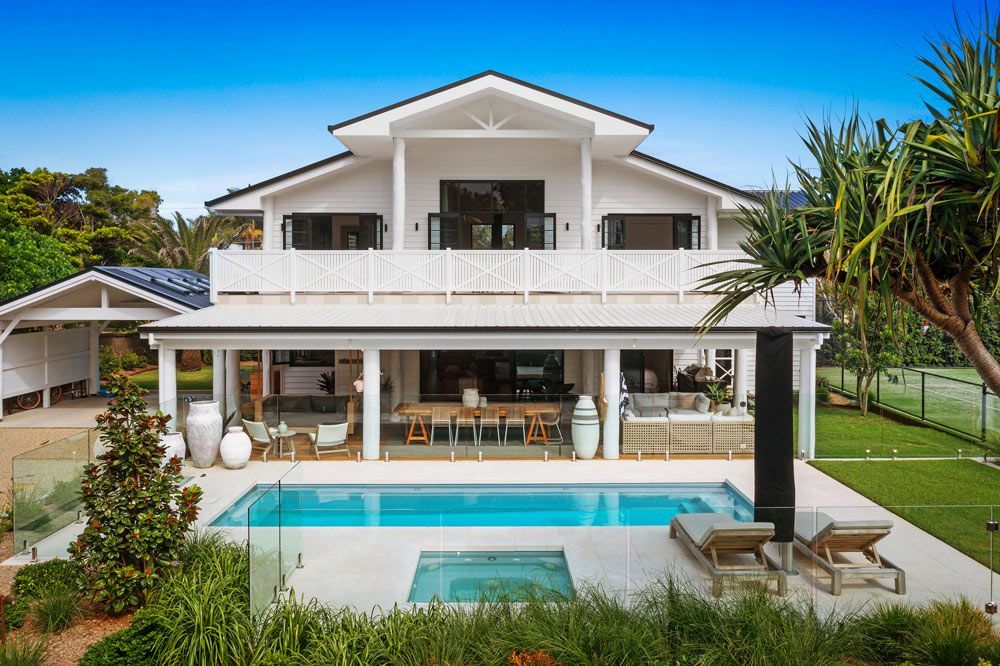
Modern home with a private outdoor swimming pool & landscaped garden beside a contemporary exterior.
January 8, 2026
Explore custom concrete pool features that enhance comfort, safety and usability. From seating to lighting, discover smart design choices. Learn more.
More Posts